

ED After 50: What’s Normal and What’s Not
Turning 50 is often framed as a milestone of confidence and experience. Yet for many men, it also brings an unwelcome guest: changes in sexual performance. If you’ve noticed softer erections, a longer time getting aroused, or occasional failures in the bedroom, you are not alone—and you are not broken.
The question every man over 50 asks at some point is simple: Is this normal, or is something wrong?
The answer is nuanced. Some degree of change is a natural part of ageing. But persistent, worsening erectile dysfunction (ED) is never “just part of getting old”—it is a legitimate medical condition with identifiable causes and effective treatments. In this guide, we separate myth from medicine so you can make informed decisions about your health.
Is ED Normal After 50? The Statistics You Need to Know
Let’s start with the numbers, because they tell a clear story.
Research consistently shows that ED becomes more common with each decade of life. According to the American Medical Association, roughly 40% of men in their 40s experience some degree of erectile dysfunction, and this rate increases by approximately 10% for each subsequent decade. By age 50, around 50% of men report noticeable symptoms, climbing to 60% by age 60.
However, these statistics describe prevalence, not inevitability. As urologists at Mayo Clinic emphasise, plenty of men in their 60s, 70s, and even 80s maintain satisfying, active sex lives.
The key distinction: Occasional difficulty is common. Consistent inability to achieve or maintain an erection firm enough for intercourse—especially for three months or more—is not something you should simply accept.
What’s Actually Normal as You Age?
Ageing affects sexual function in predictable, physiological ways. Understanding what is genuinely normal can spare you unnecessary anxiety.
Normal Age-Related Changes Include:
| Change | Why It Happens | Is It Concerning? |
|---|---|---|
| Erections take longer to develop | Blood flow naturally slows; nerve sensitivity decreases slightly. | No—this is expected. |
| You need more direct stimulation | Arousal becomes less automatic and more responsive to touch. | No—this is common after 50. |
| Erections are slightly less rigid | Reduced testosterone and vascular elasticity play a role. | Mild changes are normal; significant softness is not. |
| The refractory period lengthens | It may take hours (or a day) to achieve another erection after ejaculation. | No—this is a normal hormonal shift. |
| Occasional “off nights” | Stress, fatigue, alcohol, or mood can cause isolated incidents. | No—if it happens rarely. |
These changes are gradual. If your function has declined slowly over years and you can still achieve satisfactory erections most of the time, you are likely experiencing normal ageing.
When Is ED Not Normal? Red Flags to Watch For
While the changes above are benign, certain patterns signal that your ED is not merely age-related and requires medical evaluation.
Seek professional advice if you experience:
- Consistent failure for three months or more, defined as the inability to obtain or maintain an erection adequate for intercourse.
- Sudden onset after years of normal function, particularly if linked to a new medication or life event.
- ED accompanied by other symptoms, such as chest pain, shortness of breath, or leg pain when walking.
- Loss of morning erections entirely, which can indicate a vascular or hormonal issue rather than performance anxiety.
- Progressive worsening over weeks or months without an obvious trigger.
Critical insight: ED is often one of the earliest indicators of cardiovascular disease. The blood vessels supplying the penis are smaller than those feeding the heart. This means vascular problems often show up downstairs years before they trigger a heart attack or stroke.
Ignoring ED after 50 is not just a sexual health risk—it may be a missed warning sign for your heart.
Common Causes of ED in Men Over 50
Erectile dysfunction after 50 rarely has a single cause. It is usually the result of overlapping physical, psychological, and lifestyle factors.
Physical Causes
- Cardiovascular disease & high blood pressure: Reduced blood flow is the leading physical cause of ED in older men.
- Type 2 diabetes: Damages nerves and blood vessels essential for erections.
- Obesity & metabolic syndrome: Excess weight, especially around the waist, disrupts hormones and circulation.
- Low testosterone: Levels decline naturally with age, though not all ED is hormone-related.
- Prostate conditions & treatments: Surgery or radiation for prostate issues can affect nerves and function.
- Peyronie’s disease: Scar tissue inside the penis can cause curvature and ED, often beginning around the same time as other erectile issues.
- Medications: Antidepressants, antihistamines, blood pressure drugs, and prostate medications can all contribute.
Psychological Causes
- Performance anxiety: Worrying about ED often makes it worse, creating a self-fulfilling cycle.
- Depression & chronic stress: Mental health conditions reduce libido and disrupt the arousal signals from brain to body.
- Relationship conflict: Unresolved tension with a partner can manifest as sexual dysfunction.
Lifestyle Factors
- Smoking: Tobacco restricts blood flow to arteries and veins, compounding vascular ED.
- Heavy alcohol consumption: Depresses the central nervous system and impairs arousal signals.
- Sedentary lifestyle: Lack of exercise accelerates cardiovascular decline and weight gain.
- Poor sleep: Sleep apnoea and chronic sleep deprivation lower testosterone and increase stress hormones.
How to Talk to Your Doctor About ED
The hardest part of diagnosing ED is often overcoming embarrassment. But doctors hear about ED daily. A typical evaluation involves:
- A physical exam and discussion of your medical history.
- Blood tests to check testosterone, cholesterol, blood sugar, and thyroid function.
- Blood pressure and cardiovascular screening to rule out heart disease.
- A review of current medications to identify potential culprits.
- A mental health assessment if anxiety or depression is suspected.
Be honest. The more detail you provide, the faster your doctor can pinpoint whether your ED after 50 is due to hormones, circulation, medication, psychology, or a combination.
Treatment Options for ED After 50
The good news? ED is highly treatable at any age. The right approach depends on the underlying cause.
First-Line Treatments: PDE5 Inhibitors
For most men over 50, oral PDE5 inhibitors are the first step. These medications enhance the effects of nitric oxide in the body, relaxing penile muscles and improving blood flow when sexually stimulated.
Options include:
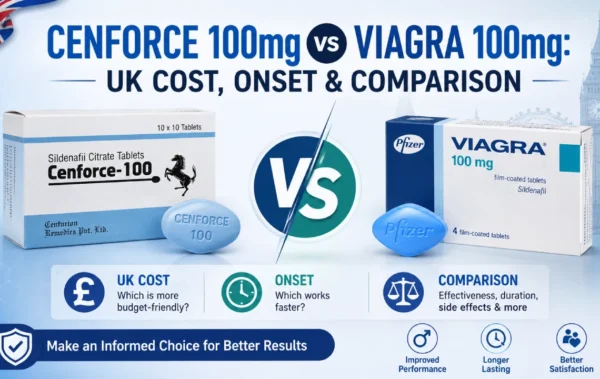
- Sildenafil (the active ingredient in Viagra and Cenforce)
- Tadalafil (Cialis)
- Vardenafil (Levitra)
- Avanafil (Spedra)
At Cenforce Online UK, we stock a range of sildenafil-based options to suit different needs:
- Cenforce 100mg – The standard starting dose for most men.
- Cenforce 150mg – A stronger option for those who need enhanced efficacy.
- Cenforce 200mg – The maximum-strength formulation for severe ED.
- Cenforce D – Combines sildenafil with dapoxetine to address both ED and premature ejaculation.
- Cenforce Soft – A chewable, faster-acting alternative.
- Cenforce Professional – A sublingual option for quicker absorption.
Important: PDE5 inhibitors require sexual stimulation to work. They are not aphrodisiacs. Always consult a healthcare professional before use, especially if you take nitrates for heart conditions or alpha-blockers for blood pressure.
Other Medical Treatments
If oral medications are ineffective or unsuitable, your doctor may recommend:
- Testosterone replacement therapy (TRT): Only appropriate for men with clinically low testosterone levels.
- Vacuum erection devices (penis pumps): A non-invasive option that draws blood into the penis using suction.
- Intracavernosal injections: Medications injected directly into the penis before intercourse.
- Urethral suppositories: Pellets placed into the urethra to stimulate blood flow.
- Penile implants: Surgical devices with high satisfaction rates, typically considered only after other treatments have failed.
Psychological & Relationship Support
If your ED has a psychological component, counselling or sex therapy can be transformative. Cognitive behavioural therapy (CBT) addresses performance anxiety, while couples therapy resolves relationship dynamics that may be contributing to the problem.
Lifestyle Changes That Can Reverse Mild ED
For men with early or mild ED, lifestyle modifications can be as powerful as medication.
1. Prioritise Cardiovascular Exercise
Aim for 150 minutes of moderate aerobic activity per week. Walking, swimming, and cycling improve endothelial function and blood flow.
2. Adopt a Heart-Healthy Diet
A Mediterranean-style diet rich in fruits, vegetables, whole grains, nuts, and olive oil supports vascular health. Reduce processed foods, saturated fats, and added sugars.
3. Achieve a Healthy Waistline
Excess abdominal fat converts testosterone to oestrogen and promotes inflammation. Even a 5–10% reduction in body weight can significantly improve erectile function.
4. Quit Smoking
Stopping tobacco use improves circulation within weeks. The sooner you quit, the better your vascular (and erectile) recovery.
5. Limit Alcohol
Keep intake to moderate levels (or less). Heavy drinking depresses the nervous system and disrupts sleep.
6. Sleep 7–9 Hours Nightly
Poor sleep crushes testosterone production. If you snore heavily or suspect sleep apnoea, get tested—treatment can restore hormone balance.
7. Manage Stress
Chronic cortisol elevation suppresses libido and disrupts arousal. Mindfulness, yoga, and regular downtime are not luxuries—they are medical necessities.
Frequently Asked Questions (FAQ)
Q: Is it normal to have ED sometimes after 50?
Yes. Occasional difficulty due to fatigue, stress, or alcohol is normal at any age. Consistent failure over three months is not.
Q: Can ED after 50 be reversed without medication?
Often, yes—if the cause is lifestyle-related. Weight loss, exercise, quitting smoking, and stress reduction have restored function in many men. However, underlying medical conditions like diabetes or heart disease require medical management alongside lifestyle changes.
Q: Is ED always caused by low testosterone?
No. While testosterone declines with age, most ED after 50 is caused by vascular issues, medications, or psychological factors. A blood test can determine if TRT is appropriate.
Q: Can I take Cenforce if I have high blood pressure?
You must consult your doctor first. Sildenafil can interact dangerously with nitrates and some blood pressure medications. Never self-prescribe.
Q: How quickly do ED medications work?
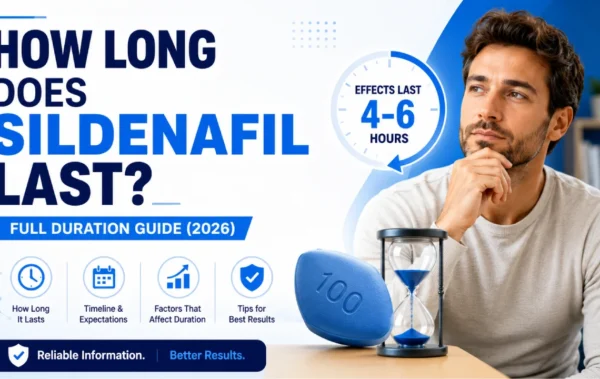
Most PDE5 inhibitors take 30–60 minutes to become effective. Sublingual and soft formulations may act faster. Effects typically last 4–6 hours for sildenafil, and up to 36 hours for tadalafil.
Q: Should I see a GP or a urologist?
Start with your GP. They can conduct initial tests and refer you to a urologist or cardiologist if specialised care is needed.
The Bottom Line
ED after 50 sits in a grey zone. Some change is normal. Complete dysfunction is not. The most important step you can take is to stop normalising a problem that could be an early warning of cardiovascular disease, hormonal imbalance, or medication side effects.
If lifestyle changes aren’t enough, modern medicine offers safe, effective solutions. PDE5 inhibitors like Cenforce have helped millions of men over 50 reclaim their confidence and intimacy. The key is acting early, speaking openly with your doctor, and choosing treatments from reputable sources.
Your sex life after 50 doesn’t have to be a story of decline. It can be a story of adaptation, treatment, and renewed vitality.
Ready to explore your options? Browse our full range of Cenforce products at Cenforce Online UK—discreet, affordable, and delivered to your door.
Medical Disclaimer: This article is for informational purposes only and does not constitute medical advice. Erectile dysfunction can indicate serious underlying health conditions. Always consult a qualified healthcare professional before starting any new medication or treatment regimen.
| Written By |
Olivia Bennett (Content Writer)
6+ years of experience in men’s health and pharmaceutical content. |
|---|---|
| Medically Reviewed By |
Dr. Nick Linton 12+ years of clinical experience in men’s health and sexual medicine. |
| Last Reviewed | 05/08/2026 |
| Next Review | November 3, 2026 |
| Category | Cenforce |
Written and reviewed by

Olivia Bennett
Health Content Writer & Medical Research Contributor