

No products in the cart.
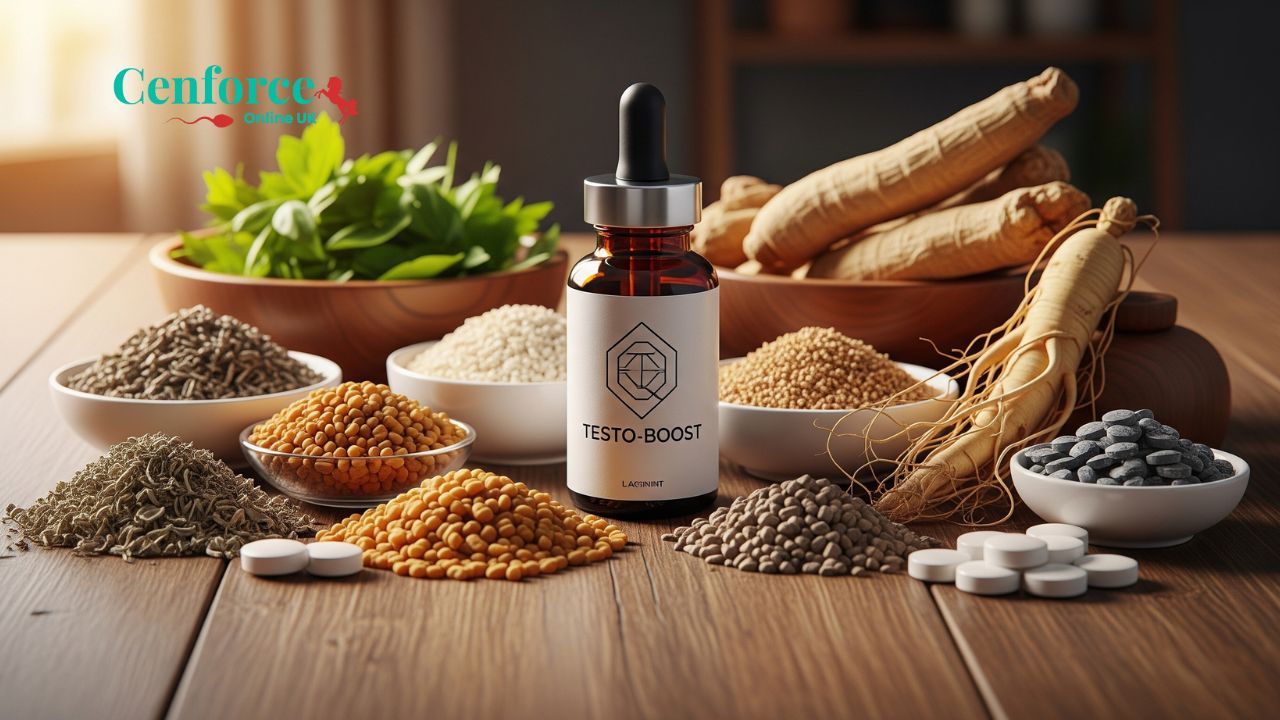
Best Testosterone Booster for Erectile Dysfunction Support
Testosterone plays a vital role in male sexual health, influencing libido, energy, muscle mass, mood, and overall well-being, and when levels decline due to age or lifestyle factors, many men begin searching for the best testosterone booster for erectile dysfunction to help support performance and confidence. Erectile dysfunction (ED) can have a complex set of causes—ranging from blood flow issues and psychological stress to hormonal imbalances—and low testosterone is one of the factors that can contribute to decreased sexual desire and weaker erections. While testosterone boosters are not a guaranteed cure for ED, certain supplements and natural strategies aimed at promoting healthy testosterone levels can support overall male health and may complement broader ED treatment plans under medical guidance. In this blog, we’ll explore how testosterone affects erectile function, what to consider when choosing boosters, common ingredients backed by research, safety considerations, lifestyle approaches that enhance results, and how to set realistic expectations for improvement.
Contents
- 1 How Testosterone Affects Erectile Function and Libido
- 2 Natural Ingredients Common in Testosterone Boosters
- 3 Scientific Evidence and What Research Suggests
- 4 Safety Considerations When Choosing Testosterone Boosters
- 5 Lifestyle Factors That Boost Testosterone Naturally
- 6 Integrating Testosterone Boosters Into an ED Treatment Plan
How Testosterone Affects Erectile Function and Libido
Testosterone is the principal male sex hormone that influences sexual desire, mood stability, energy levels, and the physiological processes involved in erections, although it is not the sole factor responsible for erectile potency. Low testosterone, also known as hypogonadism, can reduce libido—meaning the desire for sexual activity—which in turn may make achieving and maintaining erections more difficult, especially when psychological motivation is low. Testosterone helps regulate nitric oxide synthesis, which is essential for blood vessel dilation during arousal, and supports nerve sensitivity and stamina. When testosterone levels are suboptimal, men may notice fatigue, reduced sex drive, mood fluctuations, and decreased muscle mass, and while a testosterone booster won’t directly fix vascular issues unrelated to hormones, supporting healthy testosterone levels can improve overall sexual health and complement other ED treatments.
Natural Ingredients Common in Testosterone Boosters
Many testosterone boosters on the market rely on a combination of vitamins, minerals, and herbal extracts that have been studied for their potential influence on hormonal balance, energy, and male vitality. Ingredients like D-aspartic acid have been researched for its role in stimulating the release of hormones that can support testosterone production in the short term, while zinc and vitamin D are essential nutrients linked to optimal hormone synthesis and immune function, with deficiencies potentially contributing to low testosterone symptoms. Herbal extracts such as ashwagandha and fenugreek have been investigated in clinical studies for their ability to support strength, stress resilience, and healthy libido, and compounds like magnesium and boron may help maintain overall metabolic health. It’s important to note that while some studies show promising effects on testosterone markers, results vary among individuals and are often more modest compared to clinical hormone therapy overseen by a healthcare provider.
Scientific Evidence and What Research Suggests
Before choosing the best testosterone booster for erectile dysfunction, it helps to understand what the scientific community has observed in research settings. Studies on testosterone support supplements often focus on hormone levels, libido improvements, muscle strength, and quality of life rather than a direct effect on erectile function, because ED itself can have multiple physiological and psychological causes. For instance, research has shown that ashwagandha supplementation may help reduce stress and support a healthy testosterone range in men experiencing stress-related declines, and fenugreek may help maintain libido and sexual well-being. Zinc and vitamin D are frequently studied nutrients essential for normal hormone production, and deficiencies in either are associated with lower testosterone. That said, most research highlights moderate benefits and emphasizes that true clinical hypogonadism requires medical evaluation, meaning supplements may serve as supportive tools rather than standalone cures, and should be part of a comprehensive wellness plan.
Safety Considerations When Choosing Testosterone Boosters
While many testosterone boosters marketed for erectile dysfunction contain natural ingredients, safety should always be a priority, and choosing high-quality products from reputable manufacturers is essential to avoid impurities, excessive doses, or interactions with medications. Men with existing health conditions—particularly heart disease, prostate problems, hormonal disorders, or those taking prescription medications—should consult a healthcare professional before beginning any new supplement regimen. Natural does not always mean risk-free; ingredients that influence hormones or blood pressure may cause side effects or interact with other treatments. It’s also important to follow recommended dosages and avoid products with unproven claims or excessive proprietary blends that obscure exact amounts of active ingredients. A medical provider can help interpret lab results, assess symptoms, and determine whether lifestyle changes, supplements, or medical testosterone therapy are appropriate.
Lifestyle Factors That Boost Testosterone Naturally
Beyond supplementation, lifestyle choices play a substantial role in supporting healthy testosterone levels and overall sexual health, and these changes can enhance the effects of boosters without introducing additional risks. Regular physical activity—particularly resistance training and high-intensity interval training—has been linked with elevated testosterone levels and improved mood and metabolism. Adequate sleep is another critical component, as chronic sleep deprivation can disrupt hormone production and increase stress hormone levels that suppress testosterone. Nutrition also matters: diets rich in whole foods, healthy fats, lean proteins, and micronutrients like zinc, magnesium, and vitamin D support metabolic and hormonal balance. Stress management practices such as meditation, deep breathing, and time outdoors can reduce cortisol, which negatively affects testosterone when persistently elevated. By addressing these lifestyle foundations, many men notice improved energy, libido, and better responses to both natural and medical interventions for erectile dysfunction.
Integrating Testosterone Boosters Into an ED Treatment Plan
Finding the best testosterone booster for erectile dysfunction doesn’t mean relying on a single supplement to fix a complex condition; instead, it involves integrating targeted support into a broader plan that addresses hormonal health, vascular function, mental well-being, and medical factors. Men considering boosters should start by getting baseline hormone levels measured through blood work, discussing symptoms with a clinician, and identifying underlying contributors such as cardiovascular risk factors, psychological stress, or other health conditions. Supplements with well-studied ingredients can then be used to support healthy testosterone ranges, alongside prescribed ED medications, therapy for anxiety or performance concerns, and lifestyle improvements. Tracking symptoms over time, adjusting approaches based on professional advice, and maintaining open communication with partners can enhance outcomes and ensure that any booster chosen is part of a safe, personalized strategy rather than an isolated quick fix.
In conclusion, while there is no universally perfect testosterone booster that guarantees resolution of erectile dysfunction, certain supplements containing researched ingredients—paired with healthy lifestyle habits and professional oversight—can support testosterone levels and overall sexual health. The key to finding the best option lies in understanding how hormones interact with sexual function, choosing safe products, addressing underlying health factors, and setting realistic expectations for improvement that prioritize long-term well-being.
Read More :- Best Erectile Dysfunction Medicines With Minimal Side Effects
| Written By |
Olivia Bennett (Content Writer)
6+ years of experience in men’s health and pharmaceutical content. |
|---|---|
| Medically Reviewed By |
Dr. Nick Linton 12+ years of clinical experience in men’s health and sexual medicine. |
| Last Reviewed | 26/12/2025 |
| Next Review | June 19, 2026 |
| Category | Men's Health |
Written and reviewed by

Olivia Bennett
Health Content Writer & Medical Research Contributor




1 Comment