

No products in the cart.

Erectile Dysfunction in Your 20s: Understanding the Causes and Finding Effective Treatments
Imagine this. You are in your mid 20s, fit from the gym, and life feels full of promise. Yet one night, things do not go as planned in the bedroom. That single moment can spark worry. Studies show that about 8 percent to 30 percent of men under 40 experience erectile dysfunction at some point. It is more common than most people think, even for men in their 20s.
Erectile dysfunction means trouble getting or keeping an erection firm enough for sex. Many link it to older age, but reports of ED in young adults are rising quickly. Stress, lifestyle choices, and medical issues all play a role.
This article breaks down the main physical and psychological causes that affect young men. It also explains how ED is diagnosed and what treatments actually work. By the end, you will have clear steps to take control and regain confidence.
Contents
Why Is This Happening? Common Physical Causes of ED in Young Men
Young men often ignore early body signals until they affect sexual performance. ED can even be the first warning sign of deeper health issues. Seeing a doctor early prevents long term problems.
Cardiovascular Health and Blood Flow Issues
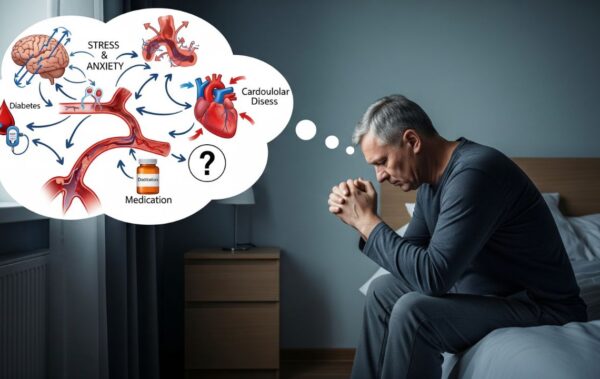
Your heart and blood vessels keep erections possible. Poor blood flow from high blood pressure or high cholesterol can trigger ED, even if you feel healthy. These issues can appear early due to fast food diets, lack of exercise, or smoking.
Think of your arteries like garden hoses. If they clog early, blood struggles to reach the penis. Research shows that ED can signal heart trouble years before other symptoms appear.
Improving heart health is a powerful first step. Quitting smoking, walking daily, and eating better foods strengthen blood flow and reduce ED risk.
Hormonal Imbalances Including Testosterone
Testosterone supports libido and erection strength. Low levels affect millions of young men. Causes include poor diet, obesity, stress, lack of sleep, or sports injuries.
Other hormones matter as well. Thyroid disorders and high prolactin levels can disrupt arousal.
A simple blood test checks hormone levels. If needed, doctors may suggest gels, injections, or lifestyle changes. Restoring balance often improves erections quickly.
Lifestyle Factors That Sabotage Sexual Health
Life in your 20s can be chaotic. Poor sleep from late nights or shift work reduces testosterone after even one bad night. Aim for seven to nine hours for better performance.
Alcohol and drugs also interrupt erections. A drink or two may relax you, but too much numbs the signals needed for arousal. Marijuana and painkillers can weaken erectile response as well.
Certain medications, including antidepressants or acne treatments, list ED as a side effect. Reviewing them with a healthcare provider can help.
Psychological Factors. The Hidden Epidemic Among Young Men
For many young men, psychological stress plays a bigger role in ED than physical problems. Social pressure, anxiety, and emotional health can disrupt sexual response.
Performance Anxiety and the Vicious Cycle
One off night can create fear of it happening again. This fear triggers stress hormones and activates the fight or flight response. Blood flow shifts away from the penis, making an erection even harder to achieve.
The cycle repeats unless broken.
Small steps help rebuild confidence. Focus on intimacy without pressure to perform. As anxiety lowers, natural response returns.
Stress, Depression, and Mental Health Connections
Work pressure, studies, or life transitions create stress overload. High cortisol levels from chronic stress interfere with arousal.
Depression reduces desire and energy. For many young men, emotional fatigue directly affects sexual function.
A quick relaxation method is the four four four technique. Inhale for four seconds, hold for four, and exhale for four. It calms the nervous system almost instantly. Pairing this with therapy gives long term results.
Warning signs to notice
Low mood
Loss of interest
Avoiding intimacy
What to do
Seek therapy early
Journal thoughts to reduce tension
Practice daily relaxation exercises
Relationship Dynamics and Communication Gaps
Relationship tension can create emotional distance and sexual pressure. When partners stop communicating openly, ED often appears.
Honest conversation reduces fear and builds trust. Saying something like, I am dealing with this and I need your support, can relieve half the pressure instantly.
Shared activities and emotional bonding also improve sexual response.
Diagnosis. What to Expect When Seeking Help in Your 20s
Seeing a doctor feels intimidating, but the process is simpler than most expect. Most evaluations take less than 20 minutes.
The Initial Consultation
Your doctor will ask when the problem started, how often it happens, and whether you get morning erections. These questions help determine if the cause is physical or psychological.
A quick physical exam and routine tests follow. Blood pressure, cholesterol, blood sugar, and hormone levels are usually checked.
This is enough for diagnosis in most cases.
Specialized Testing When Needed
If basic tests do not provide answers, your doctor might suggest additional tests.
Nocturnal penile tumescence testing tracks nighttime erections. Most healthy men have several strong erections during sleep. This test helps determine if the issue is physical.
Doppler ultrasound checks blood flow in the penis. It is painless and provides clear information about vascular health.
Effective Treatment Options for Young Men
Young bodies respond well to treatment when the root cause is addressed.
First Steps. Lifestyle Changes and Therapy
Healthy habits make a major difference. Add vegetables, lean proteins, and omega rich foods like fish and nuts. Cardio exercise strengthens heart health and boosts testosterone.
Pelvic floor exercises also help. Tighten your muscles as if holding urine for five seconds. Repeat ten times daily for a few weeks.
Better sleep is essential. Avoid screens before bed and create a routine. Cognitive behavioral therapy reduces anxiety, and sex therapy teaches techniques that restore confidence.
Medical Interventions Including PDE5 Inhibitors
Medications like sildenafil and tadalafil improve blood flow and help with erections. They work for most men and provide a confidence boost.
Doctors recommend short term use for young adults while underlying causes are corrected. Side effects are usually mild.
Generic options are affordable and effective.
Treating Psychological Triggers
Sensate focus is a gradual intimacy building exercise used by therapists. It reduces pressure and reconnects both partners emotionally and physically.
Guided imagery and relaxation techniques also help lower anxiety. Studies show strong improvements when these methods are combined with therapy.
Conclusion
ED in your 20s is more common than people assume. Most causes are related to stress, lifestyle, or manageable health conditions. With the right steps, recovery is very likely.
Talk openly with your doctor and partner. Take the first step today by scheduling an appointment or making a simple lifestyle change. Addressing ED now improves your health, confidence, and relationships for years to come.
You deserve a life of confidence and control, and it starts with action today.
You can also read :- Cenforce 100 mg vs Viagra: Which Works Better?
| Written By |
Olivia Bennett (Content Writer)
6+ years of experience in men’s health and pharmaceutical content. |
|---|---|
| Medically Reviewed By |
Dr. Nick Linton 12+ years of clinical experience in men’s health and sexual medicine. |
| Last Reviewed | 08/12/2025 |
| Next Review | June 19, 2026 |
| Category | Men's Health |
Written and reviewed by

Olivia Bennett
Health Content Writer & Medical Research Contributor



1 Comment