
No products in the cart.

How Diet & Exercise Impact Erectile Performance: UK Men’s Guide
Erectile performance is not just about what happens in the bedroom—it’s a reflection of overall health. For many men in the UK, issues with erections are more common than they might think. Research suggests that about one in five British men will experience some form of erectile dysfunction (ED) at some point in their lives, and lifestyle factors like diet and exercise play a big role.
The good news? Improving what you eat and how you move can directly support stronger, more reliable erections. Let’s break down how diet and exercise impact erectile performance, plus some practical steps you can take to boost your sexual health naturally.
Contents
Why Erectile Health Matters Beyond the Bedroom
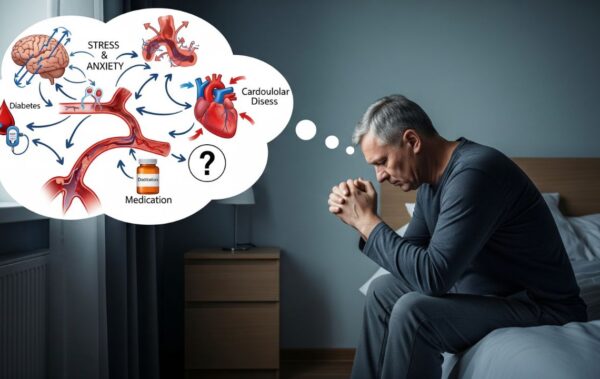
Erectile function depends heavily on healthy blood flow, nerve activity, and hormone balance. Struggles in this area aren’t just a sexual health issue—they can be early warning signs of broader health concerns such as:
- High blood pressure
- Type 2 diabetes
- Obesity
- Cardiovascular disease
In fact, the NHS highlights erectile dysfunction as a potential early marker of heart disease. That means prioritising diet and exercise isn’t just about sexual performance—it could be life-saving.
The Role of Diet in Erectile Performance
1. Blood Flow and Vascular Health
Erections rely on increased blood flow to the penis. A diet high in saturated fats, processed foods, and sugar can damage blood vessels, leading to reduced circulation. On the other hand, foods rich in antioxidants, fibre, and omega-3 fatty acids help keep blood vessels flexible and healthy.
Top foods for better erectile performance:
- Leafy greens (spinach, kale): Rich in nitrates that support blood flow.
- Oily fish (salmon, mackerel): Packed with omega-3s for heart health.
- Berries (blueberries, strawberries): Full of flavonoids that lower the risk of ED.
- Nuts & seeds: Provide vitamin E, zinc, and healthy fats.
- Whole grains: Help maintain healthy cholesterol levels.
2. Hormonal Balance
Testosterone plays a crucial role in libido and erectile function. While testosterone naturally declines with age, poor nutrition can accelerate this. Diets low in zinc, vitamin D, and healthy fats may contribute to hormonal imbalances.
Good sources include:
- Eggs (vitamin D and cholesterol for hormone production)
- Pumpkin seeds (zinc)
- Avocados (healthy fats)
3. Weight Management
Excess body fat, especially around the waist, increases the risk of ED. Obesity is linked with lower testosterone levels and reduced blood flow. Following a balanced diet like the Mediterranean diet has been shown to support both weight management and sexual health.
The Role of Exercise in Erectile Performance
1. Improved Circulation
Regular physical activity strengthens the heart and improves blood flow throughout the body—including to the penis. Aerobic exercise like brisk walking, cycling, or swimming can make a big difference.
2. Boosted Testosterone
Resistance training (like lifting weights) can naturally increase testosterone levels. Just two or three strength-training sessions per week may improve libido and erectile quality.
3. Reduced Stress and Anxiety
Mental health is often overlooked when discussing erectile performance. Stress, depression, and performance anxiety are all major contributors to ED. Exercise releases endorphins, reduces stress hormones like cortisol, and improves confidence—all of which support better sexual performance.
4. Weight Control
Exercise burns calories and helps maintain a healthy body weight. Since obesity is a leading risk factor for ED, staying active is one of the most effective preventive strategies.
Practical Tips for UK Men
Making small, consistent changes in your diet and activity can have a significant impact. Here are some evidence-based steps:
Nutrition Tips
- Aim for 5+ portions of fruit and veg per day (a UK government recommendation).
- Swap processed meats for lean protein like chicken, fish, or legumes.
- Replace sugary drinks with water or green tea.
- Limit alcohol—excessive drinking is linked with ED. (The NHS recommends no more than 14 units of alcohol per week.)
- Try following a Mediterranean-style diet—lots of fresh vegetables, olive oil, whole grains, and fish.
Exercise Tips
- 150 minutes of moderate-intensity aerobic activity per week (NHS guideline).
- Add 2 sessions of strength training weekly for testosterone support.
- Try yoga or stretching to reduce stress and improve flexibility.
- Even daily brisk walks can boost blood circulation and energy levels.
When to Seek Medical Help
While diet and exercise are powerful tools, persistent erectile difficulties may indicate an underlying health problem. UK men should consider speaking to their GP if they experience:
- Ongoing erectile problems lasting more than a few weeks
- Loss of morning erections
- Reduced libido
- Other symptoms such as fatigue, chest pain, or difficulty urinating
Doctors can help identify whether the issue is primarily physical, psychological, or both. Treatments may include lifestyle adjustments, counselling, or medication.
Conclusions
For men in the UK, diet and exercise are not just lifestyle choices—they are foundational pillars of sexual health. A balanced diet rich in whole foods, combined with regular physical activity, can improve blood flow, hormone levels, mental well-being, and overall erectile performance.
Think of it this way: a healthy body leads to a healthier sex life. By prioritising what you eat and how you move, you’re not only improving performance in the bedroom but also protecting your heart, mind, and long-term health.
Read more :- Cenforce vs Kamagra – Which ED Pill Works Best?
| Written By |
Olivia Bennett (Content Writer)
6+ years of experience in men’s health and pharmaceutical content. |
|---|---|
| Medically Reviewed By |
Dr. Nick Linton 12+ years of clinical experience in men’s health and sexual medicine. |
| Last Reviewed | 08/09/2025 |
| Next Review | June 19, 2026 |
| Category | Men's Health |
Written and reviewed by

Olivia Bennett
Health Content Writer & Medical Research Contributor