
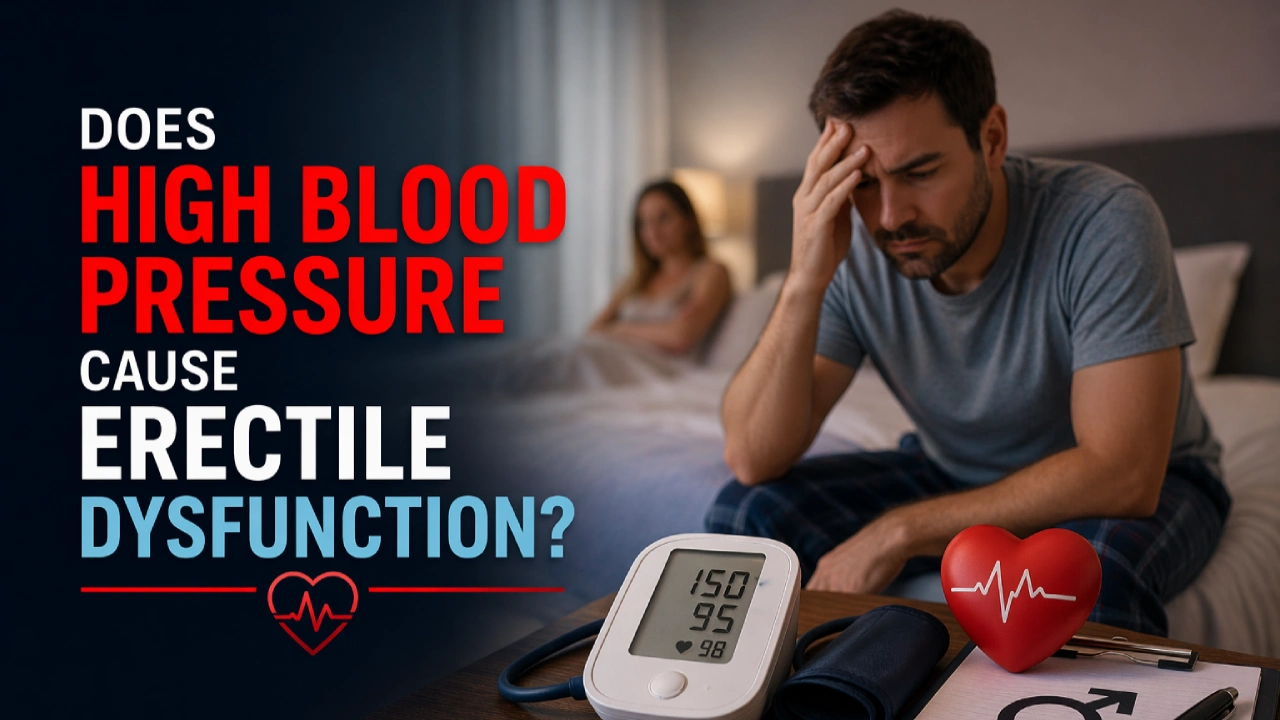
Does High Blood Pressure Cause Erectile Dysfunction?
The Overlooked Link Between Blood Pressure and Erections
If you’ve been diagnosed with high blood pressure (hypertension), you may be focused on the risks to your heart, kidneys, and brain. But there’s another consequence that rarely gets discussed openly: erectile dysfunction (ED). Research consistently shows that men with hypertension are significantly more likely to experience ED than those with normal blood pressure — and understanding why can be the first step toward reclaiming your confidence.
This is not a coincidence or a rare side effect. It is a direct, physiological consequence of what high blood pressure does to the blood vessels and vascular system throughout your entire body — including the delicate arteries that power erections.
How Does an Erection Actually Work?
Before we explore the connection, it helps to understand the mechanics. An erection is a fundamentally vascular event — it is all about blood flow. When a man is sexually aroused, the brain sends signals that cause the smooth muscles in the penis to relax. This allows blood to rush into two sponge-like chambers called the corpora cavernosa, creating rigidity and firmness.
For this to happen effectively, the blood vessels must be flexible, responsive, and free of damage. They need to dilate quickly and efficiently. If anything compromises the quality or speed of blood flow to the penile arteries, erection quality suffers.
Arterial damage: Chronically high blood pressure damages the lining of blood vessels (endothelium), making them stiff and less able to dilate.
Reduced nitric oxide: Healthy arteries produce nitric oxide, the key chemical that signals smooth muscle relaxation and blood flow. Hypertension suppresses this.
Atherosclerosis: Over time, plaque builds up in arteries, narrowing them — including the small penile arteries most sensitive to this change.
Reduced blood flow: Less blood reaches the corpora cavernosa, making it harder to achieve and maintain a firm erection.
Hormonal disruption: Hypertension may lower testosterone levels and elevate stress hormones, further reducing libido and erectile function.
Can Blood Pressure Medications Cause ED Too?
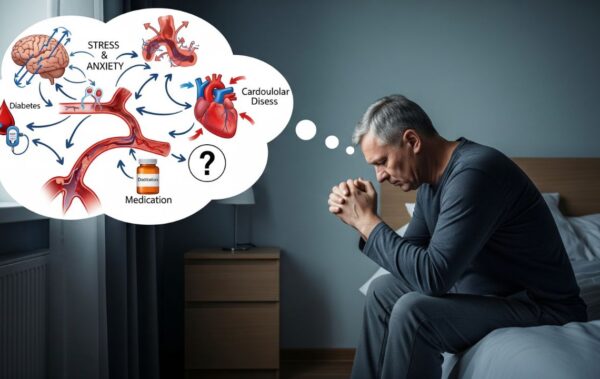
This is where things get more complex — and often more frustrating for men seeking treatment. While high blood pressure itself causes ED, some of the most commonly prescribed medications to treat it can also contribute to the problem. This creates a situation where both the disease and its treatment affect sexual function.
Older beta-blockers (such as atenolol and metoprolol) and thiazide diuretics have been associated with increased rates of erectile dysfunction. If you are experiencing ED since starting a new BP medication, speak to your doctor — there are alternatives.
On the flip side, some antihypertensive medications are actually neutral or even slightly beneficial for sexual function. Alpha-blockers and ACE inhibitors, for example, tend to have lower rates of sexual side effects. Calcium channel blockers are generally considered to be well-tolerated from a sexual health perspective as well.
ACE inhibitors (e.g. ramipril, lisinopril), ARBs (e.g. losartan, candesartan), and calcium channel blockers (e.g. amlodipine) tend to have fewer sexual side effects. Some studies even suggest losartan may modestly improve erectile function.
Recognising the Signs: Is Your ED Linked to Blood Pressure?
Not all erectile dysfunction is caused by hypertension — psychological factors, diabetes, low testosterone, and other cardiovascular issues are also common causes. However, there are patterns that suggest a vascular root, which includes hypertension-related ED:
- Gradual onset over months or years, rather than sudden
- Erections are weaker or less firm, but not completely absent
- Morning erections have decreased in frequency or firmness
- You have risk factors: high BP, diabetes, smoking, obesity, or high cholesterol
- No significant performance anxiety or relationship stress
- You are over the age of 40
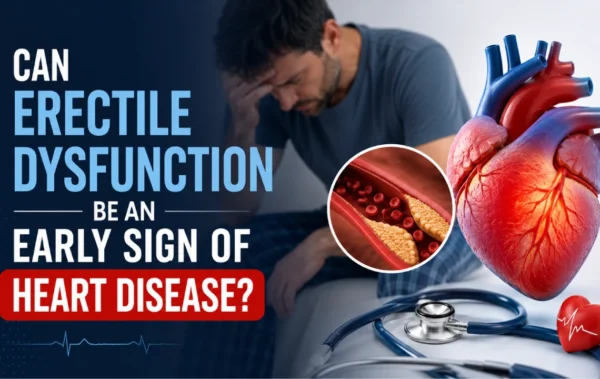
If several of these apply to you, speaking with your GP about cardiovascular risk alongside your ED is a sensible step. ED can sometimes be an early warning sign of cardiovascular disease even before other symptoms appear — which makes it medically significant beyond just sexual wellbeing.
“Erectile dysfunction can be an early warning signal from your cardiovascular system — a symptom worth taking seriously, not just privately.”
Treatment Options: Managing Both Conditions
PDE5 Inhibitors: The Gold Standard for ED
The most widely used and effective treatments for erectile dysfunction are PDE5 inhibitors — a class of medications that includes sildenafil (the active ingredient in Viagra), tadalafil (Cialis), and vardenafil (Levitra). These work by enhancing the effect of nitric oxide, improving blood flow to the penis.
For men with hypertension-related ED, PDE5 inhibitors are generally safe and highly effective. They do have a mild blood pressure-lowering effect of their own, which is usually not clinically significant — but there is one important exception:
PDE5 inhibitors must NEVER be taken alongside nitrate medications (such as GTN spray or isosorbide mononitrate). The combination can cause a sudden, dangerous drop in blood pressure. Always inform your prescribing doctor of all medications you take.
Lifestyle Changes That Help Both Conditions
One of the most powerful and underrated approaches is addressing the root cause directly. Lifestyle improvements that lower blood pressure can directly and meaningfully improve erectile function — sometimes enough to resolve mild-to-moderate ED without medication.
When Should You See a Doctor?
Many men delay seeking help for erectile dysfunction out of embarrassment, but this can mean missing important signals about their cardiovascular health. You should speak to a doctor if:
- ED has persisted for more than a few weeks
- You have known high blood pressure or other cardiovascular risk factors
- You are considering starting any ED medication for the first time
- You are already on blood pressure medication and have noticed sexual side effects
- You are taking nitrates or any other heart medication
A GP can assess both your blood pressure management and your options for ED treatment together, ensuring that whatever approach you take is both safe and effective for your individual situation.
The Bottom Line
Yes — high blood pressure does cause erectile dysfunction, and it does so through a clear physiological mechanism involving damaged blood vessels, impaired nitric oxide production, and reduced blood flow. The good news is that this link cuts both ways: effectively managing your blood pressure — through medication, lifestyle changes, or both — can lead to real improvements in sexual function.
You don’t have to accept ED as an inevitable consequence of growing older or having hypertension. Effective treatments exist, and addressing the root causes can restore not just your blood pressure numbers, but your quality of life and intimate wellbeing too.
Ready to Take the Next Step?
Explore safe, effective ED treatments from a trusted UK online pharmacy — with discreet delivery and expert guidance.
Visit CenforceOnlineUK.com →| Written By |
Olivia Bennett (Content Writer)
6+ years of experience in men’s health and pharmaceutical content. |
|---|---|
| Medically Reviewed By |
Dr. Nick Linton 12+ years of clinical experience in men’s health and sexual medicine. |
| Last Reviewed | 29/04/2026 |
| Next Review | November 5, 2026 |
| Category | Men's Health |
Written and reviewed by

Olivia Bennett
Health Content Writer & Medical Research Contributor