
10 Warning Signs Your Erectile Dysfunction Needs Medical Attention
Let’s be honest — most men don’t rush to the doctor the moment they have trouble getting or keeping an erection. It’s embarrassing, it feels personal, and frankly, a lot of men just hope it goes away on its own.
Sometimes it does. Stress, too much alcohol, a bad night’s sleep — these can all cause a temporary hiccup in the bedroom. Nothing to worry about.
But sometimes? Erectile dysfunction is your body waving a red flag. And ignoring it could mean missing something far more serious going on underneath the surface.
This guide is for UK men who want to know — when is ED just ED, and when is it time to actually see a doctor?
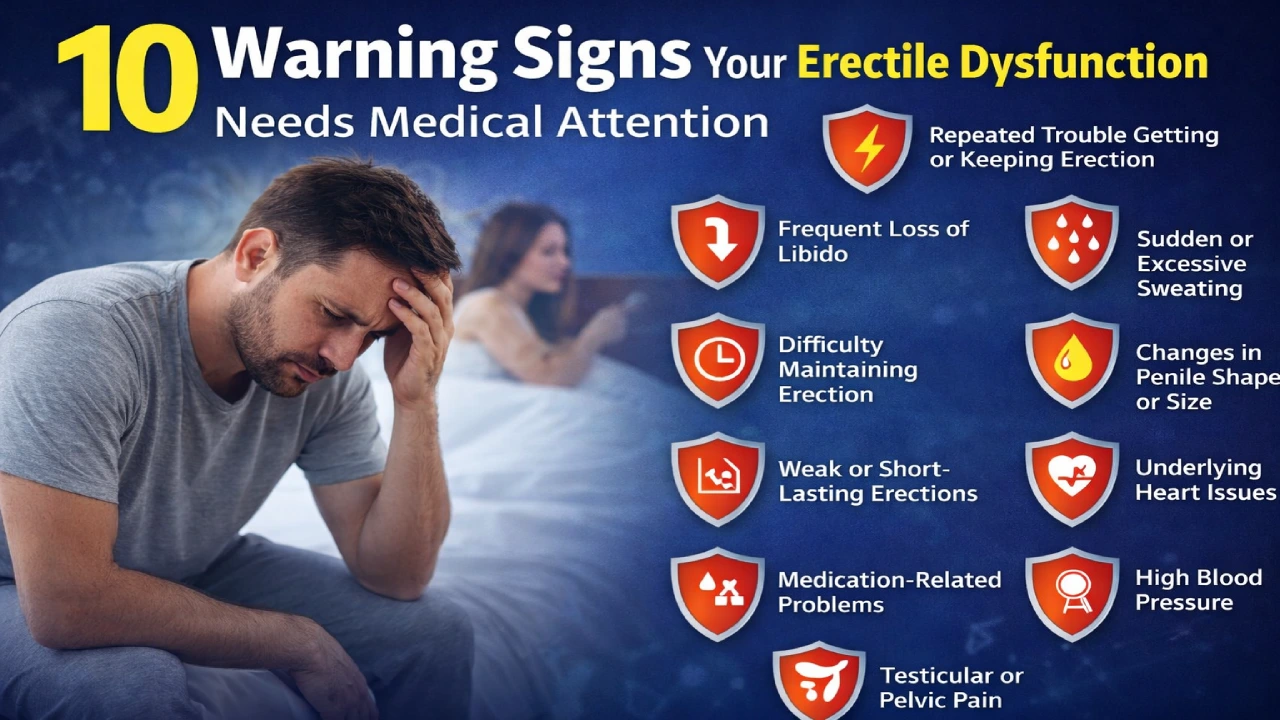
Here are 10 warning signs you should never ignore.
What Is Erectile Dysfunction, Really?
Erectile dysfunction (ED) is defined as the consistent inability to get or maintain an erection firm enough for satisfying sexual activity. The keyword here is consistent.
Nearly every man experiences difficulty with erections at some point in his life. That’s completely normal. ED becomes a medical concern when it happens regularly — more than 50% of the time — or when it’s accompanied by other symptoms that suggest something deeper is going on.
According to the NHS, ED affects around 50% of men between the ages of 40 and 70 in the UK. But age alone isn’t the cause. And that’s exactly why these warning signs matter.
If you’re currently managing ED with medication, our guide on how much Cenforce to take for erectile dysfunction is a helpful starting point. But first — let’s make sure you know when to go beyond self-treatment.
⚠️ Warning Sign #1: It’s Been Happening for More Than 3 Months
The Sign: You’ve had consistent difficulty getting or keeping an erection for three months or longer.
One bad week doesn’t mean you have ED. Two bad weeks might just be stress. But three months or more of consistent difficulty? That’s your body telling you this isn’t going away on its own.
Persistent ED — especially when it happens regardless of the situation, partner, or mood — is a clinical indicator that something physiological may be going on. This could be reduced blood flow, hormonal issues, or early nerve damage.
To understand more about what might be triggering ongoing ED, read our detailed breakdown of the main causes of erectile dysfunction.
What to do: Don’t wait it out any longer. Book an appointment with your GP. A simple blood test and physical examination can often identify the root cause quickly.
⚠️ Warning Sign #2: You’re Also Experiencing Chest Pain or Shortness of Breath
The Sign: Your ED is accompanied by chest tightness, shortness of breath, or heart palpitations — either during sex or at other times.
This one is serious. Very serious.
The penis and the heart share something critical — they both depend entirely on healthy blood flow. In fact, many cardiologists now describe erectile dysfunction as “the canary in the coal mine” for cardiovascular disease.
The arteries supplying blood to the penis are smaller than the coronary arteries feeding your heart. This means they show signs of blockage earlier. Research published by the British Heart Foundation confirms ED can precede a heart attack or stroke by 2–5 years in some men.
If your ED comes with any chest symptoms — even mild ones — do not wait. See a doctor immediately or call 999 if symptoms are severe.
⚠️ Important: Never take ED medication like sildenafil or tadalafil if you’re also taking nitrate-based heart medication. The combination can cause a dangerous, sudden drop in blood pressure. Always read our guide on Cenforce safety, risks and precautions before starting any ED treatment.
⚠️ Warning Sign #3: You Have No Morning Erections Anymore
The Sign: You used to wake up with erections regularly. Now they’ve completely stopped.
Morning erections — medically known as nocturnal penile tumescence (NPT) — aren’t just a quirk of biology. They’re actually a health indicator. During REM sleep, your body tests your erectile system. Healthy men experience 3–5 of these per night.
When morning erections disappear entirely, it’s a strong signal that the issue is physical rather than psychological. It suggests poor blood flow, nerve damage, or a hormonal problem.
Psychological ED (caused by anxiety or stress) typically still allows morning erections. Physical ED often doesn’t. Our article on stress, anxiety and erectile performance explains this distinction in more detail.
If you’ve noticed a gradual — or sudden — loss of morning erections over weeks or months, this warrants a conversation with your doctor.
⚠️ Warning Sign #4: You’ve Noticed a Sudden, Dramatic Change
The Sign: Your erections were perfectly fine, and then suddenly — almost overnight — things changed significantly.
Gradual ED over years is common and often linked to ageing, weight gain, or lifestyle factors. But sudden-onset ED is a different story entirely.
A rapid change in erectile function can indicate:
- Hormonal disruption (sudden drop in testosterone)
- Neurological issues (nerve damage from injury or illness)
- Medication side effects (many common drugs affect erectile function)
- Psychological trauma (relationship breakdown, bereavement, severe anxiety)
- Vascular event (sudden changes in blood flow)
If your ED came on quickly — particularly within days or a few weeks — it deserves prompt medical investigation. You can explore safe treatment options like Cenforce 100mg in the interim, but always seek the underlying cause.
⚠️ Warning Sign #5: You’re Under 40 and It’s Happening Regularly
The Sign: You’re in your 20s or 30s, and you’re experiencing consistent erectile difficulties.
ED in young men is far more common than people realise — and far less talked about. We’ve covered this topic in depth in our article on why younger men are experiencing ED more often.
When ED is persistent in a younger man, it can signal:
- Undiagnosed diabetes
- High blood pressure (often silent in young men)
- Hypogonadism (low testosterone)
- Peyronie’s disease
- Drug or alcohol dependency
Also see our guide specifically covering erectile dysfunction in your 20s — causes and treatments.
Young men often dismiss ED as embarrassment or stress and self-medicate. While ED medication can help short-term, it doesn’t fix the underlying cause — and in a young man, that cause absolutely needs identifying.
⚠️ Warning Sign #6: You Have Pain During or After an Erection
The Sign: Getting an erection — or attempting to have sex — causes physical pain, discomfort, or a noticeable curve in the penis.
Pain and erections should never go hand in hand. If you’re experiencing either of the following, see a doctor without delay:
Peyronie’s Disease: This is a condition where scar tissue (plaque) builds up inside the penis, causing painful, curved erections. It affects around 1 in 10 men in the UK and is significantly underdiagnosed. According to NHS guidance on Peyronie’s disease, left untreated, it can worsen and make intercourse impossible.
Priapism: A prolonged, painful erection lasting more than 4 hours — even without sexual stimulation — is a medical emergency. Go to A&E immediately. Learn more at NHS Priapism guidance.
Neither of these conditions will resolve with lifestyle changes or ED medication alone. They require proper medical treatment.
⚠️ Warning Sign #7: You’re Also Experiencing Low Sex Drive
The Sign: It’s not just about getting an erection — you’ve also lost interest in sex altogether.
There’s an important distinction here. ED is typically about the mechanics — you want sex, but the physical response isn’t working. When low libido accompanies ED, the story changes.
Loss of sexual desire combined with ED often points to a hormonal issue — most commonly low testosterone (hypogonadism). Our article on the best testosterone boosters for erectile dysfunction covers this topic in full.
Other symptoms of low testosterone include:
- Fatigue and low energy
- Loss of muscle mass
- Increased body fat (especially around the belly)
- Mood changes, depression, or irritability
- Difficulty concentrating
The good news? Low testosterone is diagnosable with a simple blood test and very treatable. But it won’t be picked up unless you actually mention it to your doctor.
⚠️ Warning Sign #8: You Have Diabetes, High Blood Pressure, or High Cholesterol
The Sign: You have one or more of these conditions and have recently started experiencing ED.
These three conditions are the biggest risk factors for vascular erectile dysfunction — the most common form of ED in men over 40.
Since an erection is fundamentally a vascular event (blood rushing into the penis), anything that compromises your blood vessels will eventually compromise your erections. Diabetes UK confirms that men with diabetes are two to three times more likely to develop ED than men without diabetes.
If you have any of these diagnoses and develop ED:
- It may signal that your current treatment isn’t sufficiently protecting your blood vessels
- It may indicate your condition has progressed
- It gives your doctor an important piece of information about your overall cardiovascular health
Don’t just order ED tablets — mention it at your next check-up. You may also find our piece on how diet and exercise impact erectile performance useful for managing these conditions naturally alongside medication.
⚠️ Warning Sign #9: You Notice Physical Changes to Your Penis
The Sign: You’ve noticed lumps, bumps, skin changes, unusual discharge, or a change in the shape of your penis.
ED combined with visible changes to the penis itself is never something to self-diagnose or ignore. Potential causes include:
- Peyronie’s disease — scar tissue causing curvature
- Penile cancer — rare, but real. Any unusual lump or skin change needs checking. See NHS penile cancer information
- STI-related complications — some untreated infections can affect erectile function. Visit BASHH (British Association for Sexual Health and HIV) for guidance
- Lichen sclerosus — a skin condition affecting the foreskin area
If something looks or feels different — even if it seems minor — get it looked at. Penile cancer, though rare, has an excellent cure rate when caught early.
⚠️ Warning Sign #10: ED Is Severely Affecting Your Mental Health
The Sign: Your erectile dysfunction is causing significant depression, anxiety, relationship breakdown, or withdrawal from social situations.
The psychological toll of erectile dysfunction is real, serious, and frequently underestimated. Research published in the Journal of Sexual Medicine (NIH) shows men with ED are significantly more likely to experience clinical depression. The relationship works both ways — depression causes ED, and ED causes depression.
We explored this connection in depth in our article on mental health, ED and stress management for UK men.
If you find yourself:
- Avoiding intimacy with your partner entirely
- Feeling deeply ashamed, hopeless, or worthless
- Withdrawing from relationships or social activities
- Experiencing persistent low mood or anxiety
…then this has moved beyond a bedroom problem. It’s a mental health issue that deserves professional support. You can contact the Mind mental health charity or speak to your GP about referral for talking therapy.
You don’t have to hit rock bottom before asking for help.
When Is It Safe to Try ED Medication First?
If you’re a generally healthy adult male with no underlying conditions, and your ED appears to be triggered by stress, anxiety, or lifestyle factors — trying a clinically proven ED medication is a perfectly reasonable first step.
Here’s a quick comparison of the most popular options available in the UK:
| Medication | Active Ingredient | Onset Time | Duration | Best For |
|---|---|---|---|---|
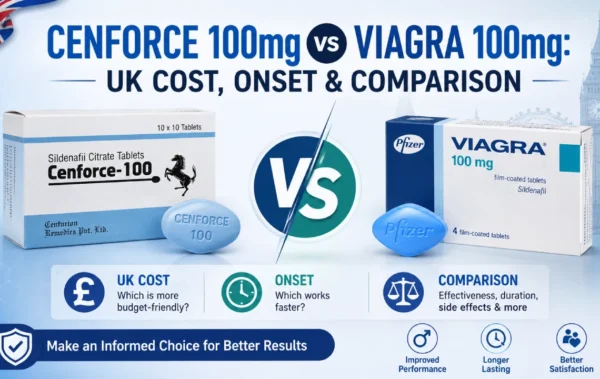
| Cenforce 100mg | Sildenafil | 30–60 mins | 4–6 hours | Standard ED treatment |
| Cenforce 200mg | Sildenafil | 30–60 mins | 4–6 hours | Stronger ED / severe cases |
| Kamagra Oral Jelly | Sildenafil | 15–30 mins | 4–6 hours | Faster absorption |
| Vidalista 60mg | Tadalafil | 30–60 mins | Up to 36 hours | Weekend / spontaneous sex |
| Super P-Force | Sildenafil + Dapoxetine | 30–60 mins | 4–6 hours | ED + premature ejaculation |
Not sure which dose is right for you? Read our full comparison: Cenforce vs Kamagra — which ED pill is better for UK men?
You may also want to check whether it’s safe to drink alcohol with Cenforce before starting treatment.
✅ Quick Checklist: Do You Have Any of These Warning Signs?
Go through this list honestly:
- ☐ ED lasting more than 3 months consistently
- ☐ Chest pain or shortness of breath alongside ED
- ☐ Complete loss of morning erections
- ☐ Sudden, rapid onset of ED
- ☐ Under 40 with persistent ED
- ☐ Pain or curvature during erections
- ☐ Low libido alongside ED
- ☐ Existing diagnosis of diabetes, hypertension, or high cholesterol
- ☐ Any visible physical changes to the penis
- ☐ Significant mental health impact from ED
If you ticked even one of these boxes — please see your GP.
Not because it’s definitely something serious. But because finding out is always better than not knowing.
The Bottom Line
Erectile dysfunction is common. It’s treatable. And it’s nothing to be ashamed of.
But it’s also sometimes a window into your wider health — and the signs above are your body asking you to pay attention.
The bravest thing a man can do isn’t ignoring the problem. It’s walking into a doctor’s office and saying, “I need some help with this.”
If you’re not ready for that step yet, start by exploring safe, clinically proven ED treatments available for discreet UK delivery. Take a look at our full range of ED medications, including Cenforce 100mg, Kamagra Oral Jelly, and Vidalista 60mg — trusted by thousands of UK men.
But please — don’t ignore the warning signs. Your health is worth more than your embarrassment.
Frequently Asked Questions
When should I see a doctor about erectile dysfunction?
You should see a doctor if ED has persisted for more than 3 months, if it came on suddenly, if you’re under 40, or if it’s accompanied by other symptoms like chest pain, low libido, or visible changes to the penis. Early medical assessment can rule out serious underlying conditions like cardiovascular disease or diabetes.
Can erectile dysfunction be a sign of heart disease?
Yes. ED is frequently associated with cardiovascular disease because both conditions involve blood vessel health. Men with ED have a significantly higher risk of heart attack and stroke. If you experience ED alongside any chest symptoms, seek medical advice promptly.
Is erectile dysfunction normal at 40?
Some degree of change in erectile function is common as men age, but ED is not inevitable or untreatable at any age. Many men in their 40s successfully treat ED with medication, lifestyle changes, or a combination of both. See our guide on how Cenforce is helping men regain intimacy after 40.
What is the best medicine for erectile dysfunction without side effects?
All ED medications carry some potential side effects, but many men tolerate them very well. Our article on the best medicine for erectile dysfunction without side effects compares the main options in detail.
Can erectile dysfunction go away on its own?
Temporary ED caused by stress, alcohol, or fatigue often resolves on its own. Persistent ED caused by physical factors typically requires treatment. If ED has lasted more than 3 months, it is unlikely to resolve without intervention.
Disclaimer: This article is for informational purposes only and does not constitute medical advice. Always consult a qualified healthcare professional before starting any new medication or if you are concerned about your health. In a medical emergency, call 999 or visit your nearest A&E.
| Written By |
Olivia Bennett (Content Writer)
6+ years of experience in men’s health and pharmaceutical content. |
|---|---|
| Medically Reviewed By |
Dr. Nick Linton 12+ years of clinical experience in men’s health and sexual medicine. |
| Last Reviewed | 29/04/2026 |
| Next Review | November 23, 2026 |
| Category | Cenforce |
Written and reviewed by

Olivia Bennett
Health Content Writer & Medical Research Contributor